Heading Into Thanksgiving Week: What Shippers Should Expect From Freight Rates
By Skyline Transport Group · · 10 min read
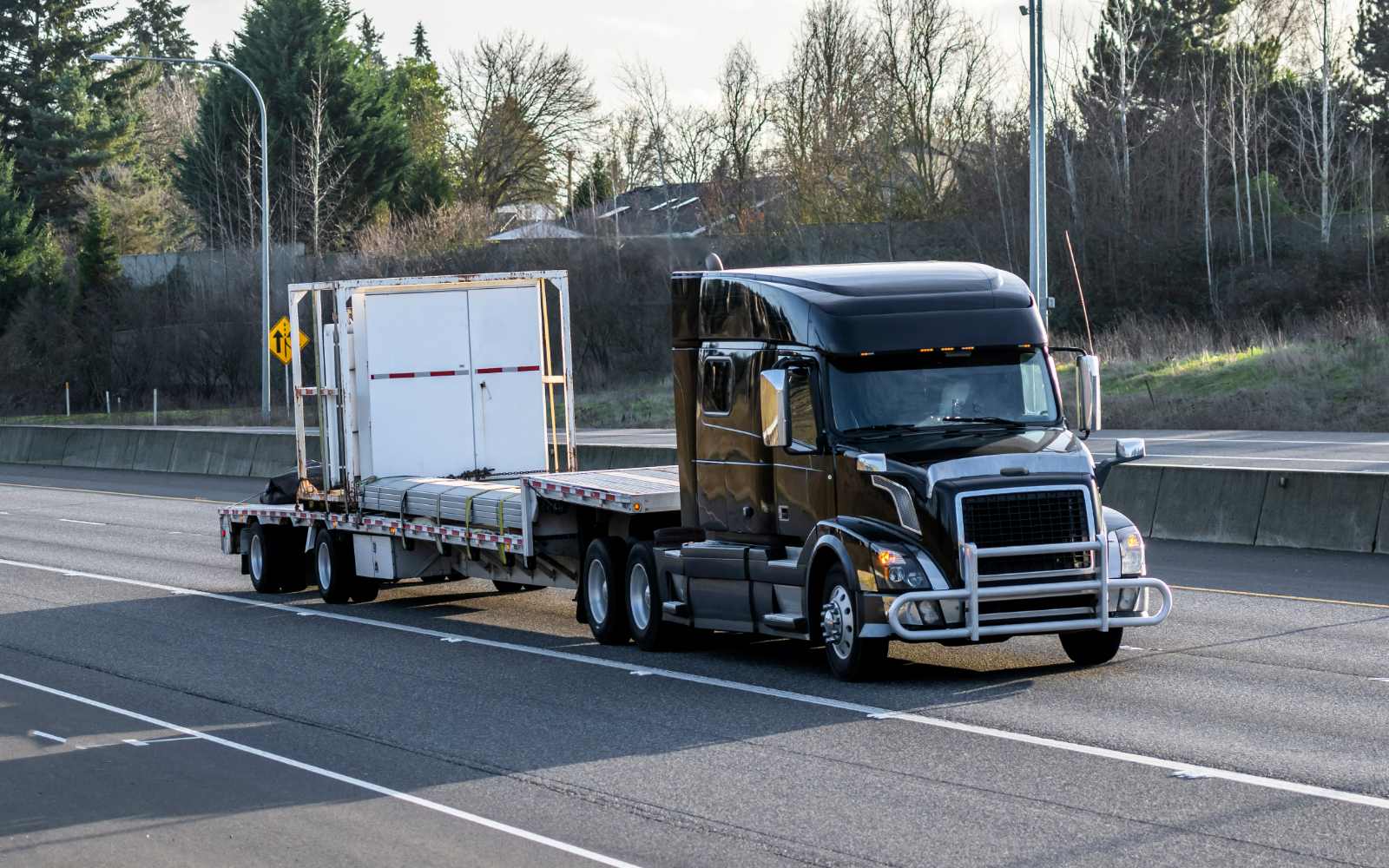
Thanksgiving week starts with less capacity than it looks
Truckload spot rates sat at $3.56 per mile on November 16, more than 50% above the $2.32 shippers paid a year ago, according to FreightWaves SONAR. Carriers are turning down nearly 13% of the contract loads offered to them, roughly double last year's rate. That is the market shippers carry into a short holiday week.
Thanksgiving lands on Thursday, November 26. Many shippers and receivers will run a three-day week, a lot of drivers will be home, and a load that misses its pickup on Tuesday or Wednesday can sit until the following Monday. In a normal year that adds up to a short rate bump. This year the bump starts from a much higher floor.
Wherever your freight moves, plan for higher costs and bigger day-to-day swings from now through the end of the year. Below is where the numbers stand, why they are likely to keep climbing, and what you can do this week to protect your freight and your budget.
The numbers going into the holiday
Every major market measure points the same way: trucks cost more than they have in years, and carriers can afford to be picky.
| Measure | Latest reading | Versus a year ago |
|---|---|---|
| National truckload spot rate (SONAR) | $3.56 per mile (Nov. 16) | Up more than 50% from $2.32 |
| Van contract rate (SONAR) | $2.86 per mile (Nov. 16) | Up about 23% |
| Tender rejection rate (SONAR) | 12.85% (Nov. 16) | About double |
| Loads accepted by the first carrier in the routing guide | 88.9% | Down from about 93% |
| LMI Transportation Capacity Index | 38 (October) | Down from 54.5 |
| LMI Transportation Prices Index | 88 (October) | Up from 61.7 |
The strange part is that freight volume is not much higher than last year. "Carriers are hauling about the same amount of freight, but they're turning down far more of it this year," said Julie Van de Kamp of FreightWaves SONAR. The difference is on the supply side: there are fewer trucks chasing the same loads.
Every rejection costs you. When your first carrier says no, the load moves down your routing guide, and FreightWaves data shows loads covered by a second carrier run 9.3% higher, while loads that fall to a third carrier or beyond run 17.6% higher.
The Logistics Managers' Index (LMI) reads like a thermometer: anything above 50 means a measure is growing, anything below 50 means it is shrinking. A capacity reading of 38 means available trucking capacity is still contracting, and a price reading of 88 means transportation prices are rising fast.
Why rates are likely to keep climbing
Five things push rates higher over the next few weeks: a shorter week, fewer trucks, more freight, expensive fuel and contracts that are resetting.
A three-day week carrying five days of freight
Many receivers close on Thanksgiving Day and run skeleton crews, or close entirely, on Black Friday. Freight that normally moves over five days gets squeezed into Monday through Wednesday. Drivers who want to be home for dinner are not hunting for a Wednesday afternoon load, and the trucks that do run get priced accordingly.
The roads get harder too. AAA expects 72.9 million people to travel by car during the holiday period, which runs from Tuesday, November 24 through Monday, November 30. Traffic data firm INRIX expects the worst congestion on Tuesday and Wednesday afternoons and again on Sunday and Monday. INRIX's holiday congestion list includes Houston to Austin on I-10 and Highway 71, where Sunday afternoon drive times could run 62% longer than normal.
Fewer trucks, and no quick way to add them
The LMI Transportation Capacity Index has now been in contraction for 11 straight months. Much of the drop comes down to drivers. FreightWaves reports that more than 202,000 CDL holders are sidelined for drug and alcohol violations, the federal non-domiciled CDL rule could affect more than 194,000 drivers over time, and English proficiency enforcement is removing roughly 2,700 drivers a month.
Insurance premiums rose another 4% to 6% in early 2026, and about 10% of carrier trucks are sitting parked. Higher rates usually pull trucks back onto the road, but not this time. "The price signal is there, but capacity response isn't," Van de Kamp said in an October SONAR update.
Freight is still building
SONAR's tender volume index rose almost 5% week over week as of November 9, to about 11,600, a level last seen in late spring. Retailers appear to have held holiday orders late, and Los Angeles port bookings just hit their highest reading since February. The LMI shows inventories growing at the fastest pace since September 2022.
FreightWaves says the market is heading into Thanksgiving week with less available capacity than volume alone suggests. "Any volume surge from here on is absolutely going to hit rates incredibly hard," Van de Kamp said.
Diesel is still above $6
The national average price of diesel was $6.127 a gallon in data the U.S. Energy Information Administration released November 10, $2.29 higher than a year ago. Prices vary by region. The Gulf Coast, for example, averaged $5.741. Fuel surcharges follow those prices, so they will stay high even if line-haul rates level off.
Contracts are resetting higher
New truckload contracts are being signed about 13% above the rates they replace, compared with a five-year average of 3.5%. FreightWaves says that is the highest reading since early 2022. It also says that if tender rejections stay above 12% through January, double-digit contract increases become the base case for 2027.
Expect swings, not a straight line
Rates are heading higher overall, but they will not climb smoothly. Expect sharp moves from day to day, lane to lane and week to week through the end of the year.
2026 has already been a roller coaster
Tender rejections peaked near 17.6% in late June, then eased through the late summer and fall. By November 11 they were down to 12.88%, still about double last year and 1.3 points lower than a month earlier. Spot rates have now turned back up, from $3.44 a mile in September to $3.49 on November 9 and $3.56 on November 16.
Holidays follow a pattern
FreightWaves has documented the same holiday rhythm in past years. Rejections climb in the days before the holiday, then ease the week after as drivers get back on the road. As FreightWaves analyst Zach Strickland wrote after a past Thanksgiving, "capacity tightens more around the holidays because there is less driver availability."
Spot rates tend to lag that cycle, because they are recorded after a load is booked. That means quotes can stay high for days after trucks come back. This year the squeeze is showing up early: FreightWaves says routing guide performance is already as weak as it was during last year's Christmas week.
Then comes December
The week after Thanksgiving usually brings a short reset, and then the calendar turns to Christmas, New Year's and the last push of holiday retail. SONAR called last year's holiday peak "exceptionally volatile, characterized by spiking spot rates and a sharp increase in tender rejections." That was in a market where mid-November rejections ran about half of today's level.
Not every lane moves together
National averages hide big regional gaps. In Los Angeles, rejections are at 10.9% against a 12-month average of 7.9%. In Ontario, California, van rejections are 10.82%, up from 4.34% a year ago.
Short-haul freight of 100 to 250 miles is up 14% from a year ago. FreightWaves says that segment is still somewhat looser than the broader truckload market, so regional runs may price a little more calmly than long hauls. They are not immune when a surge hits.
Your Thanksgiving week game plan
The shippers who get through Thanksgiving week cleanly usually make their calls this week, not next. Here is what each day is likely to look like and how to plan around it.
| Day | What to expect | What to do |
|---|---|---|
| Mon., Nov. 16 to Fri., Nov. 20 | Rates already rising as carriers fill their holiday-week schedules | Tender holiday-week loads now and confirm receiver hours |
| Mon., Nov. 23 | Heavy tendering as shippers try to move freight before the break | Ship anything that has to deliver before Thanksgiving |
| Tue., Nov. 24 | Holiday traffic builds; INRIX says roads are clearest before 1 p.m. | Book morning pickups and early delivery appointments |
| Wed., Nov. 25 | Drivers heading home, some docks closing early, heavy afternoon traffic | Aim for deliveries before noon and avoid late pickups |
| Thu., Nov. 26 | Thanksgiving Day; most receivers closed; light traffic | Only ship if the receiver confirms in writing |
| Fri., Nov. 27 | Black Friday; skeleton crews at many docks | Confirm appointments the day before |
| Sat., Nov. 28 and Sun., Nov. 29 | Return traffic peaks Sunday afternoon; INRIX says roads are clearest before 11 a.m. | Have Monday loads tendered before the weekend |
| Mon., Nov. 30 | Drivers return and backed-up freight hits the market | Expect spot quotes to stay high for a few days |
Six moves to make now
- Tender early. Get holiday-week loads to your carriers by Thursday, November 19. Van de Kamp's advice to shippers is to lock in capacity early and keep a close eye on routing guides through the holidays.
- Confirm receiver hours in writing. A truck that rolls up to a closed dock on Wednesday afternoon can sit until Monday, and you will likely pay for the wait.
- Make your freight easy to say yes to. Wider pickup and delivery windows, quick loading and no surprise detention all help when carriers can pick and choose. Morning appointments also dodge the worst holiday traffic.
- Know your backup cost before you need it. Backup carriers are running 9.3% to 17.6% above primary rates. Decide now which loads can wait until November 30 and which have to move at any price.
- Watch acceptance lane by lane. The first lane where your primary carrier starts saying no is your early warning. Move the next load sooner instead of waiting for a third rejection.
- Plan past the holiday. December brings Christmas, New Year's and bid season. FTR expected active truck utilization to reach about 99% before year-end, well above its 10-year average of 92%. Avery Vise, FTR's vice president of trucking, said in June that he did not expect contract rates to peak "until around mid- to late next year."
Thanksgiving freight rates: quick answers
Do freight rates go up during Thanksgiving week?
Usually, yes. Fewer drivers work the holiday and many docks close Thursday and Friday, so freight gets squeezed into fewer days. This year the bump starts from a high base: spot rates were $3.56 per mile on Nov. 16, more than 50% above a year ago, according to FreightWaves SONAR.
What is a tender rejection rate?
It's the share of contract loads that carriers turn down after a shipper offers them. FreightWaves SONAR had it at 12.85% on Nov. 16, about double last year. That means roughly 1 in 8 contract loads had to go to a backup carrier or the spot market.
When should I book freight before Thanksgiving 2026?
As early as you can. Tender holiday-week loads by Thursday, Nov. 19, aim for pickups on Monday, Nov. 23 or Tuesday morning, Nov. 24, and get receiver hours for Wednesday through Friday in writing.
Are all lanes affected the same way?
No. National averages hide big regional gaps. In Los Angeles, rejections are at 10.9% against a 12-month average of 7.9%. Short-haul freight of 100 to 250 miles is up 14% from a year ago, though FreightWaves says that segment is still a bit looser than the overall truckload market.
Will truckload rates stay high after Thanksgiving?
Most signs point that way through the end of the year. Christmas and New Year's bring another squeeze, and FreightWaves says that if tender rejections stay above 12% through January, double-digit contract increases become the base case for 2027.
Need trucks for Thanksgiving week? Talk to Skyline
When carriers are turning down about 1 in 8 contract loads, it helps to work with a company that owns its trucks. Skyline Transport Group is a family-owned, asset-based freight brokerage and carrier. We have been moving freight since 2004 with more than 150 of our own tractors and trailers, plus a verified carrier network behind the fleet.
From offices in Austin, Texas; Vancouver, Washington; and Sacramento, California, we haul dry van, reefer, flatbed, expedited and LTL freight in all 48 contiguous states, with dispatch running 24/7.
Call us at (512) 987-1600 or reach our team here to cover your Thanksgiving week loads, plan for December or get ahead of your 2027 bids. The sooner we see your freight, the more options you have.
Sources
- 50% Spike: Spot Rates SOAR Earlier Than Expected, FreightWaves, Nov. 16, 2026
- Q3 2026 Freight Earnings: Rates, Capacity and 2027 Bid Outlook, FreightWaves, Nov. 16, 2026
- AAA Thanksgiving Holiday Travel Forecast, AAA Newsroom, Nov. 16, 2026
- Spot Rates Up 50%, Rail Volumes at Highs, FreightWaves, Nov. 11, 2026
- Diesel prices retreat across all U.S. regions as gasoline slips below $4, FleetOwner reporting EIA data, Nov. 11, 2026
- Freight Demand Jumps 5% as Spot Rates Climb, FreightWaves, Nov. 9, 2026
- Logistics Alert: Capacity Shrinks for 11 Straight Months, FreightWaves, Nov. 3, 2026
- Trucking Capacity Crisis: Rejections Up 4x on Same Volume, FreightWaves, Oct. 6, 2026
- FTR warns supply crunch is breaking trucking, CCJ, June 2026
- December 2025 The State of Freight: A Look Back at 2025, SONAR, Dec. 22, 2025
- Spot market carries momentum from Thanksgiving into December, FreightWaves, Dec. 2020